
Why Hydrochloric Acid Is Widely Used for Steel Pickling and Metal Cleaning

Steel and metal products are widely used in construction, automotive manufacturing, machinery, shipbuilding, and infrastructure projects. Before these materials can be coated, welded, galvanized, or processed further, their surfaces must be thoroughly cleaned to remove rust, mill scale, and other contaminants. One of the most effective chemicals for this purpose is hydrochloric acid (HCl). Thanks to
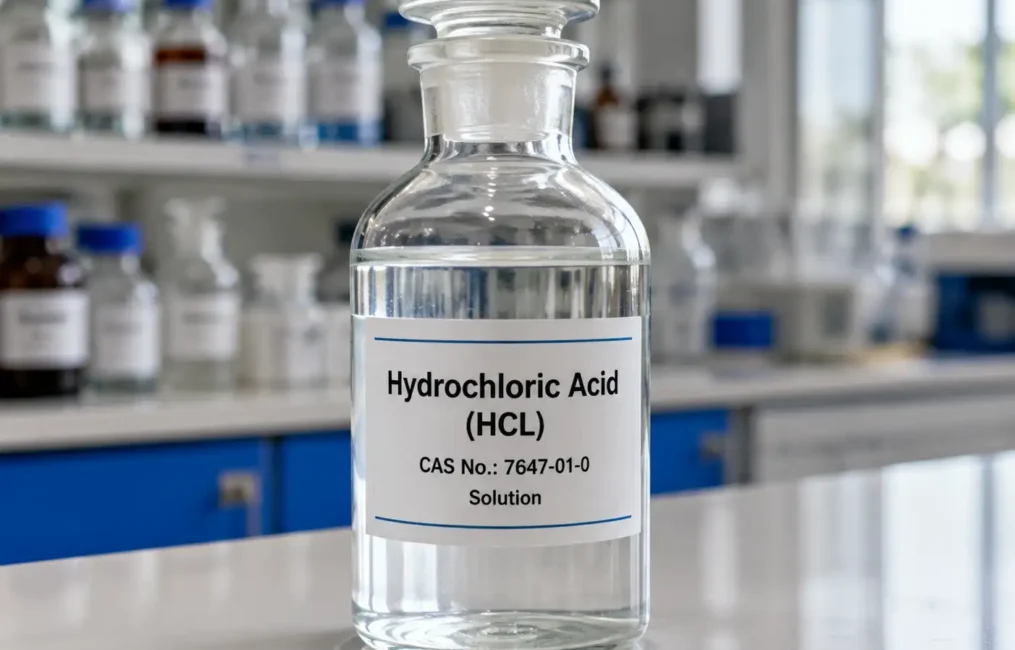
Steel and metal products are widely used in construction, automotive manufacturing, machinery, shipbuilding, and infrastructure projects. Before these materials can be coated, welded, galvanized, or processed further, their surfaces must be thoroughly cleaned to remove rust, mill scale, and other contaminants. One of the most effective chemicals for this purpose is hydrochloric acid (HCl).
Thanks to its fast reaction speed, excellent cleaning performance, and cost-effectiveness, hydrochloric acid has become the preferred chemical for steel pickling and metal cleaning in many industrial sectors.
What Is Steel Pickling?
Steel pickling is a chemical cleaning process that removes oxides, scale, rust, and other surface impurities formed during hot rolling, heat treatment, or storage.
Without proper pickling, these contaminants can affect coating adhesion, welding quality, corrosion resistance, and the appearance of finished products.
Hydrochloric acid reacts efficiently with iron oxides while minimizing damage to the underlying metal, making it one of the most commonly used metal pickling chemicals.
Why Hydrochloric Acid Is Preferred
Compared with other acids used in industrial cleaning, hydrochloric acid offers several important advantages.
Fast Rust and Scale Removal
Hydrochloric acid quickly dissolves iron oxides, mill scale, and surface rust, reducing cleaning time and improving production efficiency.
Its rapid reaction allows manufacturers to process more steel within shorter production cycles.
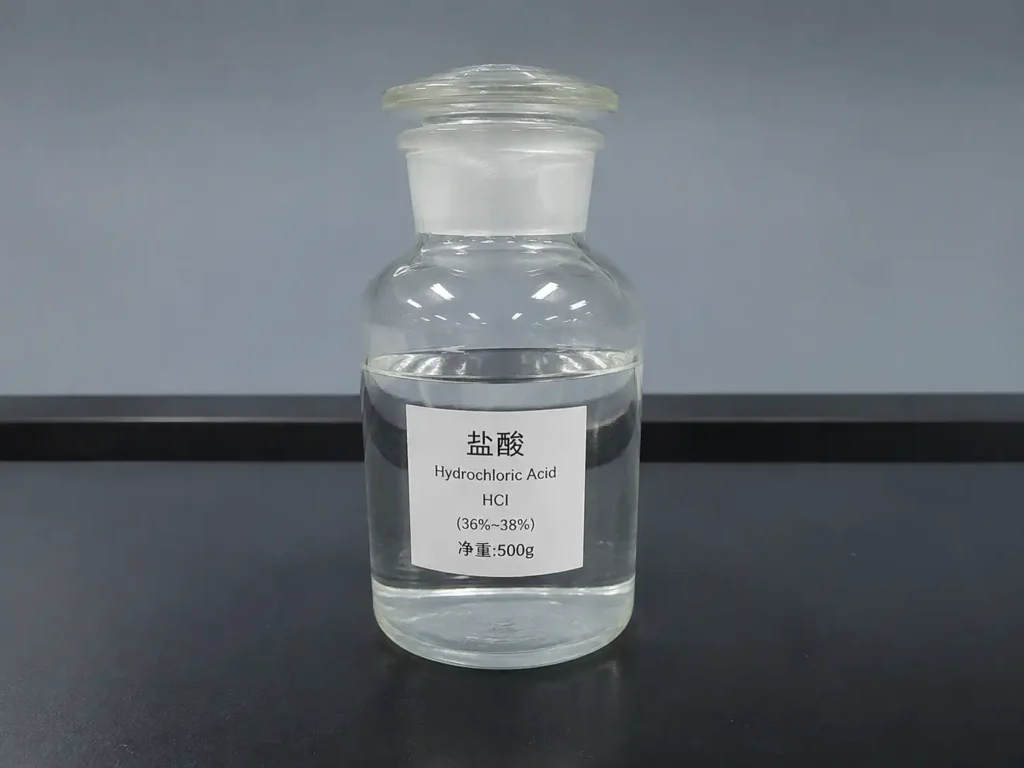
Produces Cleaner Metal Surfaces
Proper pickling creates a clean and active metal surface that improves the adhesion of:
- Galvanized coatings
- Powder coatings
- Industrial paints
- Electroplating layers
A cleaner surface leads to better product quality and longer service life.
Lower Operating Costs
Hydrochloric acid is highly efficient even at relatively low concentrations, helping manufacturers reduce chemical consumption and improve production economics.
Its fast cleaning capability also lowers labor and equipment operating costs.
Applications in Different Industries
Because of its effectiveness, hydrochloric acid is used across numerous industrial sectors.
Steel Manufacturing
Steel mills use hydrochloric acid to remove mill scale from hot-rolled steel coils before cold rolling or galvanizing.
This ensures a clean surface for subsequent manufacturing processes.
Metal Fabrication
Manufacturers clean steel plates, pipes, bars, and structural components before welding, machining, or painting.
Using hydrochloric acid for metal cleaning improves product consistency and reduces defects.
Automotive Industry
Automotive components require high-quality surface preparation before coating and corrosion protection treatments.
Hydrochloric acid helps ensure smooth, contamination-free metal surfaces.
Construction Materials
Structural steel used in bridges, buildings, and industrial facilities often undergoes acid pickling to improve corrosion resistance and coating durability.
Benefits Beyond Surface Cleaning
Hydrochloric acid does more than simply remove rust.
Better Coating Performance
A properly cleaned surface allows coatings to bond more effectively, extending the lifespan of finished products.
Improved Manufacturing Quality
Removing surface contaminants reduces welding defects and improves machining accuracy.
Increased Production Efficiency
Fast cleaning speeds help manufacturers shorten production cycles and increase factory output.
Consistent Product Appearance
Uniform surface cleaning improves the appearance of finished steel products while reducing quality variations.
Choosing High-Quality Hydrochloric Acid
The performance of steel pickling depends not only on process design but also on chemical quality.
When selecting hydrochloric acid, buyers should consider:
- Product purity
- Stable concentration
- Low impurity levels
- Consistent quality
- Reliable supply capacity
- Safe packaging and transportation
Using high-purity hydrochloric acid helps maintain stable pickling performance while minimizing process variability.
Environmental and Safety Considerations
Like all industrial chemicals, hydrochloric acid should be handled responsibly.
Modern pickling facilities typically use:
- Acid recovery systems
- Ventilation equipment
- Wastewater treatment systems
- Corrosion-resistant storage tanks
- Personal protective equipment
These measures improve workplace safety while supporting environmental compliance.
Why Work with an Experienced Manufacturer
Reliable chemical quality is essential for maintaining consistent steel pickling results.
Aolansu is a professional manufacturer of hydrochloric acid, supplying high-quality products for steel pickling, metal cleaning, chemical manufacturing, industrial water treatment, and other industrial applications. With advanced production technology, strict quality control, and dependable global supply capabilities, Aolansu provides customers with stable and efficient hydrochloric acid solutions that help improve manufacturing quality and operational efficiency.
Conclusion
Hydrochloric acid plays a vital role in steel pickling and metal cleaning by efficiently removing rust, mill scale, and surface contaminants while preparing metals for coating, welding, and further processing. Its fast reaction speed, cost-effectiveness, and excellent cleaning performance make it indispensable across modern manufacturing industries.
By sourcing high-quality hydrochloric acid from an experienced manufacturer such as Aolansu, companies can achieve more consistent production, improve product quality, and reduce long-term operating costs.