
Agricultural Organic Fertilizer vs. Chemical Fertilizer: What Is the Difference

Agricultural organic fertilizer and chemical fertilizer are both widely used in crop production, but they differ in nutrient sources, nutrient availability, soil effects, and application methods. Choosing between them depends on crop requirements, soil conditions, production goals, and fertilizer management practices. For farmers, agricultural organic fertilizer is often considered when improving soil organic matter and supporting
Agricultural organic fertilizer and chemical fertilizer are both widely used in crop production, but they differ in nutrient sources, nutrient availability, soil effects, and application methods. Choosing between them depends on crop requirements, soil conditions, production goals, and fertilizer management practices.
For farmers, agricultural organic fertilizer is often considered when improving soil organic matter and supporting long-term soil health. Chemical fertilizers are commonly selected when crops need specific nutrients in predictable concentrations. Understanding these differences helps growers make informed decisions and develop a more effective crop nutrition plan.
What Is Agricultural Organic Fertilizer?
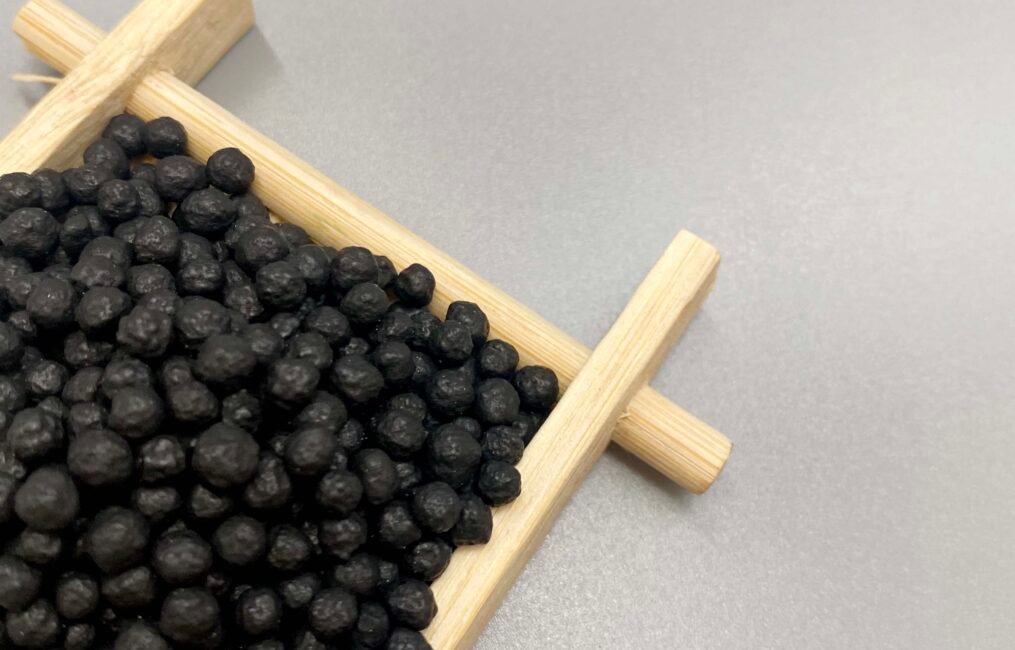
Agricultural organic fertilizer is made from organic materials, such as animal manure, composted plant residues, and other suitable organic matter. Depending on its raw materials and manufacturing process, it can supply nutrients while adding organic matter to agricultural soil.
One important benefit of organic fertilizer is its contribution to soil structure. Organic matter can support soil aggregation, improve water infiltration, and help sandy soils retain moisture. It can also provide a food source for soil microorganisms involved in nutrient cycling.
However, organic fertilizers do not all have the same nutrient composition. Their nitrogen, phosphorus, and potassium levels depend on the ingredients, processing methods, and product formulation. Nutrient release may also vary with soil temperature, moisture, and microbial activity.
When choosing agricultural organic fertilizer for soil improvement, buyers should check the product’s nutrient analysis, organic matter content, maturity, and suitability for the intended crops.
What Is Chemical Fertilizer?
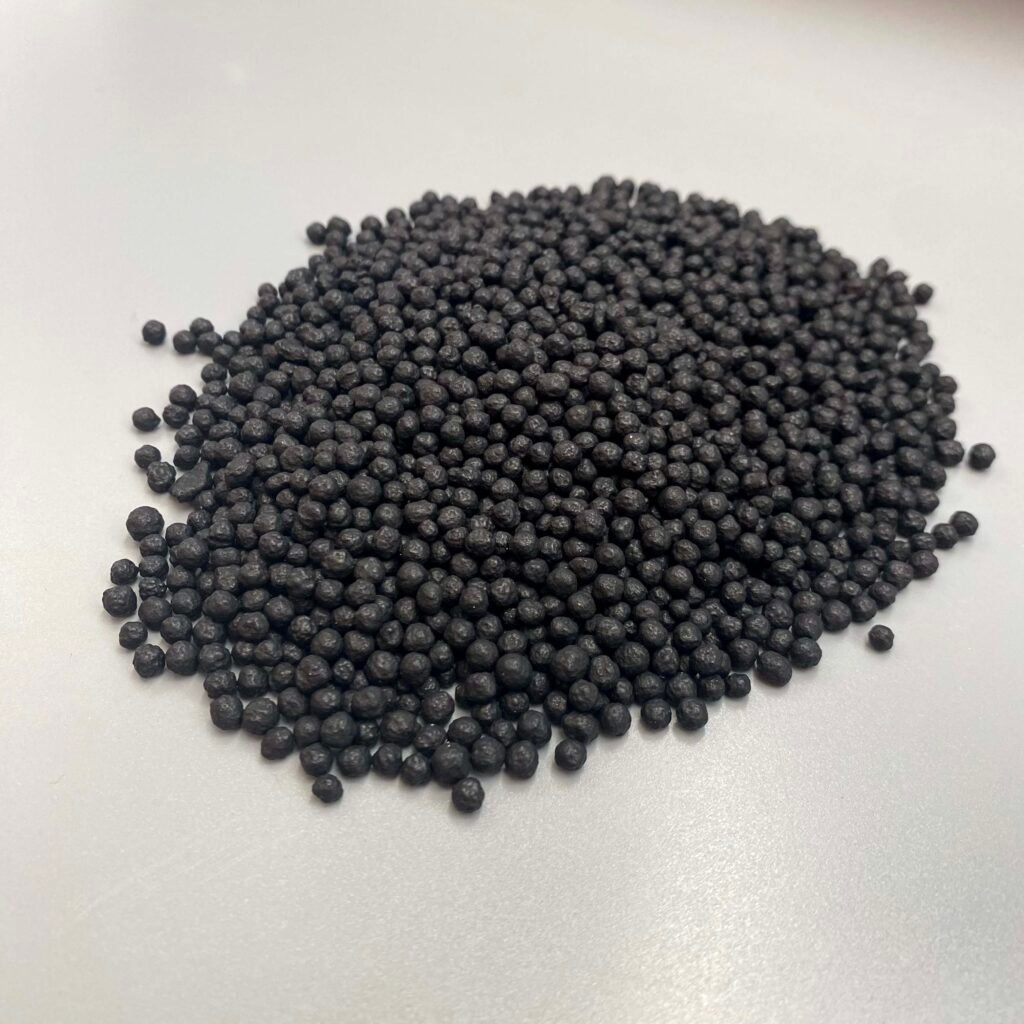
Chemical fertilizer, often referred to as synthetic or mineral fertilizer, supplies plant nutrients in defined formulations. Common examples include urea, ammonium sulfate, diammonium phosphate, and potassium chloride.
Many chemical fertilizers provide nutrients in forms that plants can absorb relatively quickly once the fertilizer dissolves and the nutrients become available in the root zone. This makes them useful when crops have high nutrient demands during particular growth stages or when soil tests identify a specific deficiency.
Another advantage is nutrient concentration. Farmers can calculate application rates based on the stated nitrogen, phosphorus, and potassium content. This makes chemical fertilizers practical for precision fertilization, fertigation, and large-scale crop nutrition programs.
However, applying more fertilizer than a crop can use may increase nutrient losses through leaching or runoff. Repeated use without appropriate soil management may also contribute to soil acidity, salinity, or nutrient imbalances, depending on the fertilizer type and local conditions.
Agricultural Organic Fertilizer vs. Chemical Fertilizer: Key Differences
The main differences relate to nutrient concentration, release patterns, and their effects on soil.
Nutrient source: Organic fertilizer derives nutrients from organic materials, while chemical fertilizer supplies nutrients through manufactured or processed mineral compounds.
Nutrient availability: Chemical fertilizers often provide more predictable nutrient concentrations and relatively rapid availability. Organic fertilizers generally depend more on decomposition and microbial activity, although their release patterns vary by formulation.
Soil improvement: Organic fertilizer can increase soil organic matter and support better soil structure over time. Chemical fertilizer primarily supplies nutrients and does not necessarily increase soil organic matter.
Application planning: Organic fertilizer application may require consideration of nutrient variability and the time needed for decomposition. Chemical fertilizer application is often easier to calculate from a standardized nutrient analysis.
Storage and handling: Product moisture, physical form, packaging, and storage requirements differ among fertilizers. Buyers should follow the manufacturer’s instructions rather than assume all organic or chemical products have the same handling needs.
Neither category is automatically better in every situation. The right choice depends on what the soil and crop need.
Which Fertilizer Is Better for Different Crops?
The best fertilizer depends on the crop, soil type, growing season, and nutrient management objectives.
For vegetable production, agricultural organic fertilizer may be useful for maintaining soil organic matter and supporting soil structure, particularly in intensively cultivated fields. Chemical fertilizer can complement it when vegetables require accurately managed nitrogen, phosphorus, or potassium.
For fruit trees and orchards, organic fertilizer may contribute to long-term soil management around the root zone. Mineral fertilizers can help address identified nutrient deficiencies and meet seasonal crop demand.
For grain crops, chemical fertilizers are often used to supply nutrients at specific growth stages. Organic materials can also be incorporated into a broader soil fertility program where suitable products and application equipment are available.
Farmers should avoid selecting fertilizer based only on the crop name. Soil testing, crop nutrient requirements, irrigation practices, and previous fertilizer applications all affect the appropriate choice.
Can Organic and Chemical Fertilizers Be Used Together?
Yes. Combining organic and chemical fertilizers can be an option for integrated nutrient management. Organic fertilizer can contribute organic matter and release nutrients over time, while mineral fertilizer can supply nutrients at rates matched to crop requirements.
For example, a farm may incorporate suitable composted organic material before planting and use a carefully calculated mineral fertilizer application during active crop growth. The exact program should account for nutrients already supplied by the organic material.
This approach requires accurate nutrient budgeting. Organic fertilizer should not be treated as nutrient-free simply because its nutrients may be released gradually. Excess nitrogen or phosphorus from combined applications can still create environmental problems.
Farmers should use soil tests, product analysis, crop recommendations, and local regulations to determine appropriate application rates.
How to Choose a Reliable Agricultural Fertilizer Supplier
Selecting a suitable product involves more than comparing prices. Buyers should review nutrient composition, product consistency, quality documentation, packaging options, and suitability for local agricultural conditions.
For agricultural organic fertilizer wholesale purchases, it is particularly important to confirm the source and processing of the raw materials, organic matter content, nutrient analysis, and relevant quality requirements. Buyers should also clarify minimum order quantities, delivery arrangements, and whether product specifications can be provided before placing a bulk order.
Aolansu serves customers seeking agricultural fertilizer products and related supply solutions. When evaluating Aolansu or another fertilizer manufacturer, buyers should request the applicable product specifications and confirm that the product matches their soil conditions, crop requirements, and local standards.
Reliable product information helps farmers and distributors make purchasing decisions based on practical agricultural needs rather than general claims about fertilizer performance.
Conclusion
The difference between agricultural organic fertilizer and chemical fertilizer lies mainly in nutrient sources, nutrient availability, and their roles in soil management. Organic fertilizer can contribute organic matter and support long-term soil health, while chemical fertilizer provides more predictable nutrient concentrations for targeted crop nutrition.
Neither option is universally superior. In many farming systems, combining suitable organic materials with accurately calculated mineral fertilizer applications can support balanced crop nutrition. Soil testing, product quality, and correct application rates remain essential for achieving good results.
FAQs
1. Is agricultural organic fertilizer better than chemical fertilizer?
Not in every situation. Organic fertilizer can support soil organic matter and soil structure, while chemical fertilizer can provide specific nutrients in predictable concentrations. The best option depends on crop needs and soil conditions.
2. Can organic fertilizer replace chemical fertilizer completely?
Sometimes, but not always. Whether organic fertilizer can meet all crop nutrient requirements depends on its nutrient content, application rate, release timing, and the crop’s demand. Soil and nutrient testing can help determine whether additional fertilizer is needed.
3. What should I check before buying agricultural organic fertilizer in bulk?
Review the nutrient analysis, organic matter content, raw material source, product maturity, quality documentation, packaging, and delivery arrangements. Ask the manufacturer for product specifications to confirm suitability for your intended crops and soil conditions.