
How Polyacrylamide Reduces Sludge Volume and Treatment Costs

Sludge management is one of the most expensive aspects of wastewater treatment. Whether in municipal treatment plants or industrial facilities, handling, transporting, and disposing of sludge can account for a significant portion of operating costs. As environmental regulations become stricter, businesses are seeking efficient solutions to reduce sludge volume while improving treatment performance. One of
Sludge management is one of the most expensive aspects of wastewater treatment. Whether in municipal treatment plants or industrial facilities, handling, transporting, and disposing of sludge can account for a significant portion of operating costs. As environmental regulations become stricter, businesses are seeking efficient solutions to reduce sludge volume while improving treatment performance.
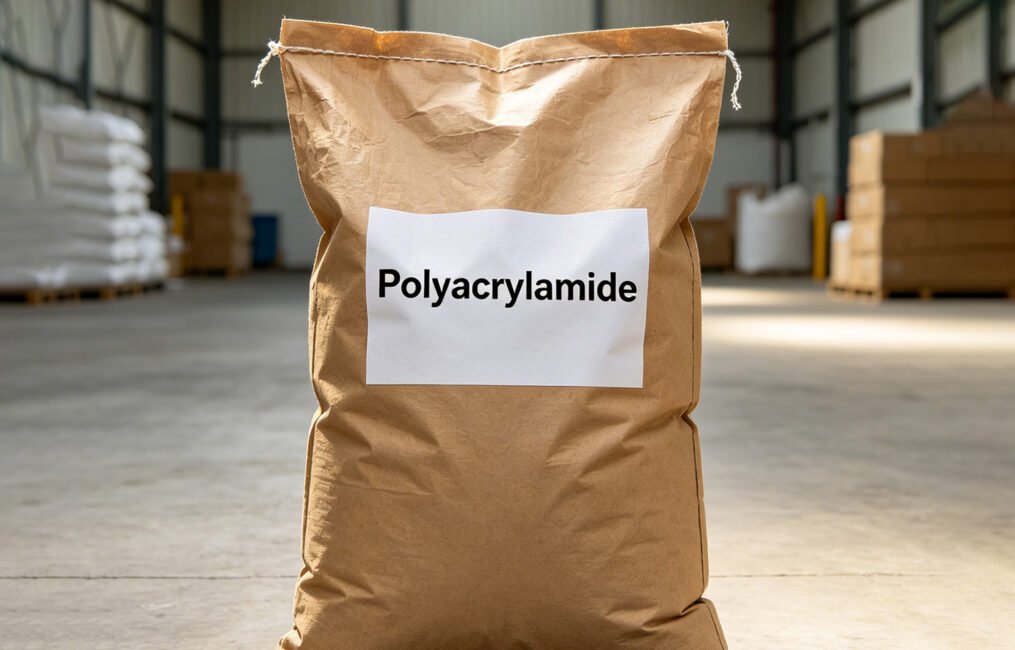
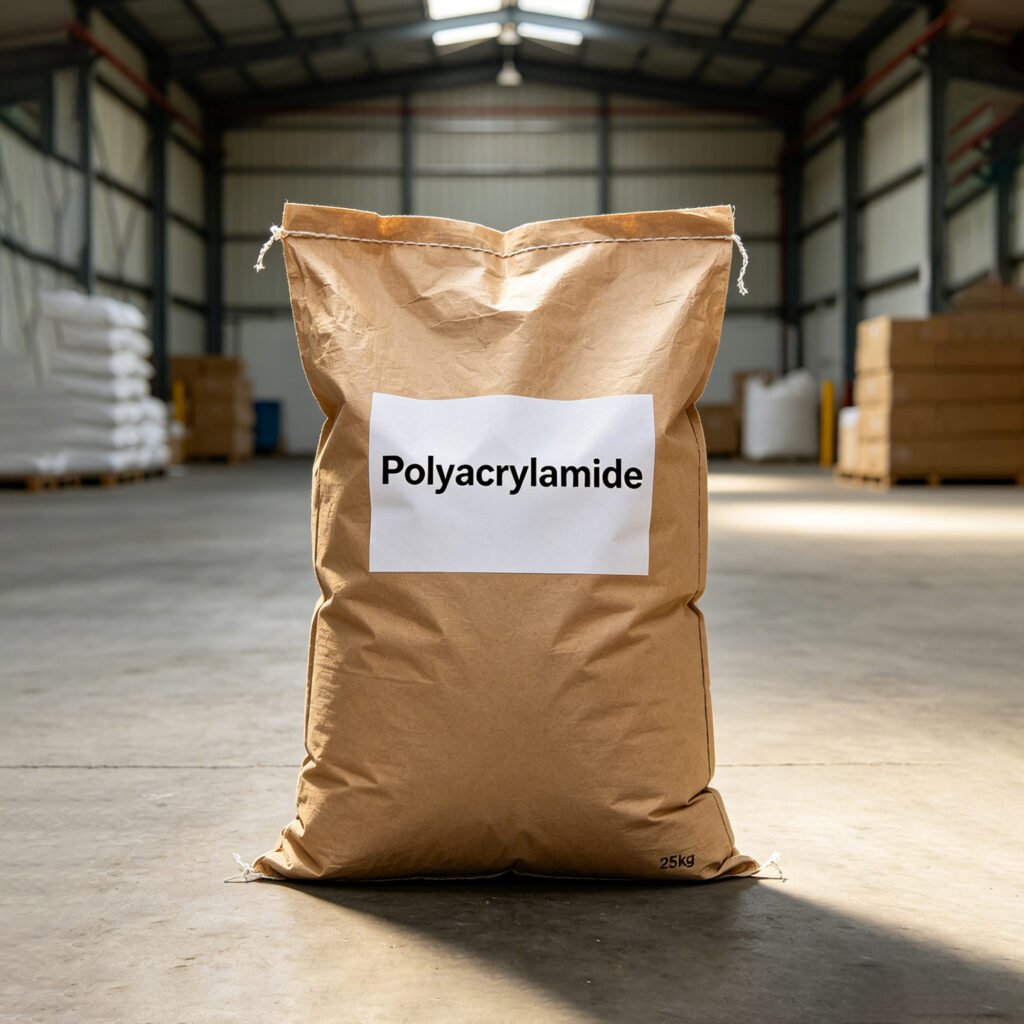
One of the most effective chemicals used for this purpose is Polyacrylamide (PAM). As a high-performance flocculant, PAM enhances solid-liquid separation, accelerates sludge dewatering, and significantly lowers overall treatment costs.
What Is Polyacrylamide?
Polyacrylamide is a water-soluble polymer widely used in water treatment, mining, paper manufacturing, oil recovery, and chemical processing industries. In wastewater treatment, it functions as a flocculant that binds fine suspended particles into larger flocs, making them easier to separate from water.
Depending on different treatment requirements, PAM is available in several forms, including anionic polyacrylamide, cationic polyacrylamide, and nonionic polyacrylamide, each designed for specific applications.
Why Sludge Reduction Matters
Wastewater treatment inevitably produces sludge composed of suspended solids, microorganisms, and organic matter. Excess sludge increases disposal costs and requires more storage space and energy for processing.
Reducing sludge volume provides several advantages:
- Lower transportation costs
- Reduced landfill or disposal expenses
- Improved dewatering efficiency
- Lower energy consumption
- Better operational performance
For many treatment facilities, optimizing sludge management directly contributes to higher profitability.
How PAM Improves Sludge Dewatering
Polyacrylamide works by promoting flocculation. Fine particles that normally remain suspended are attracted and bonded together into dense flocs.
Enhanced Solid-Liquid Separation
Larger flocs separate from water more quickly, allowing filtration and sedimentation equipment to operate more efficiently.
As a result, less moisture remains trapped in the sludge, producing a drier sludge cake that is easier to handle and transport.
Reduced Sludge Volume
By improving dewatering efficiency, PAM decreases the overall volume of sludge requiring disposal.
Even a modest reduction in moisture content can significantly lower transportation and disposal costs over time.
Faster Processing Cycles
Efficient floc formation shortens settling and filtration times, increasing plant throughput and improving productivity.
This makes sludge dewatering polymer solutions highly valuable for large-scale wastewater treatment facilities.
Cost Savings for Industrial Operations
Polyacrylamide helps reduce operating expenses in several ways.
Lower Disposal Costs
Smaller sludge volumes require fewer trucks and less landfill space, reducing disposal fees.
Reduced Chemical Consumption
When properly selected and dosed, high-quality PAM can improve treatment efficiency while minimizing the need for additional chemicals.
Lower Energy Requirements
Better dewatering performance reduces the energy needed for sludge drying and mechanical processing.
Extended Equipment Life
Efficient sludge separation reduces wear on pumps, centrifuges, and filter presses, lowering maintenance costs.
Applications Across Different Industries
PAM is widely used in various industries where sludge management is essential.
Municipal Wastewater Treatment
Cities use cationic polyacrylamide to improve sludge dewatering and reduce disposal expenses.
Industrial Wastewater Treatment
Chemical plants, textile factories, food processing facilities, and metal processing industries rely on industrial wastewater treatment chemicals like PAM to improve clarification and sludge handling.
Mining Industry
Anionic polyacrylamide is commonly applied for tailings thickening and solid-liquid separation in mining operations.
Paper Manufacturing
Paper mills use PAM to improve fiber recovery and wastewater treatment efficiency while reducing sludge production.
Choosing the Right PAM Product
Different wastewater conditions require different polymer characteristics. Selecting the correct molecular weight and ionic type is essential for achieving optimal performance.
Factors to consider include:
- Sludge characteristics
- Water chemistry
- pH conditions
- Treatment equipment
- Desired dewatering efficiency
Working with an experienced manufacturer helps ensure the most suitable product selection.
Why Quality Matters
Consistent product quality directly affects treatment efficiency and operating costs. High-performance PAM products provide better floc formation, lower dosage requirements, and more stable process performance.
Aolansu is a professional manufacturer of Polyacrylamide, supplying reliable solutions for municipal water treatment, industrial wastewater treatment, sludge dewatering, mining operations, and paper manufacturing. With strict quality control and advanced production technology, Aolansu delivers stable polymer performance that helps customers improve operational efficiency and reduce long-term treatment costs.
Conclusion
Reducing sludge volume is one of the most effective ways to lower wastewater treatment costs. Polyacrylamide provides outstanding flocculation performance, improves sludge dewatering efficiency, and minimizes disposal expenses across a wide range of industries.
By selecting high-quality PAM products from experienced manufacturers such as Aolansu, wastewater treatment facilities can optimize performance, reduce operational costs, and support long-term environmental sustainability.