
Applications of Aluminum Chloride in Friedel–Crafts Reactions

Aluminum chloride (AlCl₃) is one of the most important Lewis acid catalysts in modern organic chemistry. For decades, it has been widely used in Friedel–Crafts alkylation and Friedel–Crafts acylation reactions, enabling the production of numerous chemical intermediates used in pharmaceuticals, agrochemicals, fragrances, dyes, polymers, and petrochemical products. As industries continue to seek higher reaction efficiency
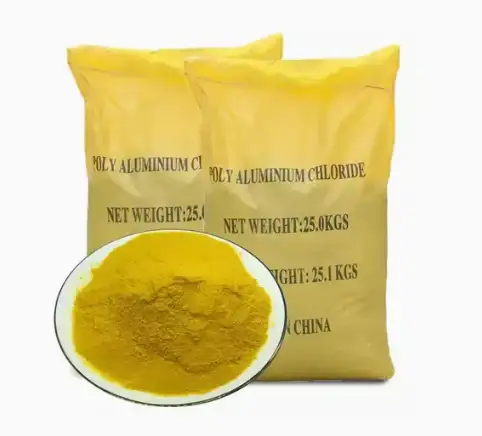
Aluminum chloride (AlCl₃) is one of the most important Lewis acid catalysts in modern organic chemistry. For decades, it has been widely used in Friedel–Crafts alkylation and Friedel–Crafts acylation reactions, enabling the production of numerous chemical intermediates used in pharmaceuticals, agrochemicals, fragrances, dyes, polymers, and petrochemical products.
As industries continue to seek higher reaction efficiency and improved product quality, high-purity aluminum chloride remains a preferred catalyst for many organic synthesis processes. Its excellent catalytic activity, fast reaction rate, and broad compatibility make it indispensable in both laboratory research and industrial-scale manufacturing.
What Is a Friedel–Crafts Reaction?
A Friedel–Crafts reaction is one of the most widely used methods for introducing alkyl or acyl groups into aromatic compounds. Developed by Charles Friedel and James Crafts in the late 19th century, this reaction remains a cornerstone of organic synthesis today.
There are two primary types:
- Friedel–Crafts Alkylation, which introduces alkyl groups onto aromatic rings.
- Friedel–Crafts Acylation, which introduces acyl groups to produce aromatic ketones.
Both reactions require an effective Lewis acid catalyst, and aluminum chloride for Friedel–Crafts reactions is among the most commonly used choices due to its strong catalytic performance.
Why Aluminum Chloride Is an Effective Catalyst
Aluminum chloride functions as a Lewis acid by accepting electron pairs from reactants. This activation process generates highly reactive intermediates that promote efficient substitution reactions on aromatic rings.
Several characteristics contribute to its popularity:
High Catalytic Activity
Aluminum chloride rapidly activates alkyl halides and acyl chlorides, helping reactions proceed under controlled conditions with high efficiency.
Its strong catalytic ability often leads to improved reaction conversion and higher product yields.
Excellent Selectivity
Carefully controlled reaction conditions allow aluminum chloride to support selective product formation, helping manufacturers reduce unwanted side reactions.
Better selectivity means easier purification and improved production efficiency.
Broad Chemical Compatibility
Aluminum chloride can participate in many different organic synthesis routes involving aromatic compounds.
This versatility makes it valuable across multiple industries requiring industrial aluminum chloride catalyst solutions.
Industrial Applications of Friedel–Crafts Reactions
Pharmaceutical Intermediates
Many pharmaceutical intermediates are synthesized through Friedel–Crafts chemistry.
Aluminum chloride helps produce aromatic compounds that later become active pharmaceutical ingredients or key intermediates in drug manufacturing.
Petrochemical Industry
Petrochemical manufacturers use Friedel–Crafts reactions to prepare specialty hydrocarbons and aromatic derivatives.
Using aluminum chloride catalyst for organic synthesis helps improve reaction efficiency while maintaining consistent product quality.
Dye and Pigment Manufacturing
Many colorants contain aromatic structures produced through catalytic substitution reactions.
Aluminum chloride supports the manufacture of intermediates used in industrial dyes and pigments.
Fragrance and Flavor Chemicals
Certain fragrance ingredients require aromatic acylation reactions during production.
Reliable catalysts contribute to stable product quality and efficient manufacturing.
Fine Chemical Production
Manufacturers of specialty chemicals frequently rely on aluminum chloride for laboratory development and commercial-scale production because of its predictable catalytic behavior.
Advantages for Industrial Manufacturers
Using high-quality aluminum chloride offers several operational benefits.
Higher Production Efficiency
Fast catalytic reactions help reduce processing time and improve factory productivity.
Improved Product Consistency
Stable catalyst quality contributes to consistent reaction performance between production batches.
Cost-Effective Manufacturing
Higher conversion rates can reduce raw material waste and improve overall manufacturing efficiency.
Flexible Process Design
Aluminum chloride is suitable for a wide variety of aromatic substitution reactions, giving manufacturers greater flexibility when developing chemical production processes.
Choosing High-Quality Aluminum Chloride
Catalyst quality directly influences reaction performance.
When selecting high-purity aluminum chloride, manufacturers should evaluate:
- Chemical purity
- Moisture content
- Batch consistency
- Packaging quality
- Supply reliability
- Technical support
Working with an experienced aluminum chloride manufacturer helps ensure stable product quality and dependable supply for long-term production.
Why Choose Aolansu?
Aolansu is a professional manufacturer of aluminum chloride, supplying high-quality products for chemical manufacturing, organic synthesis, pharmaceutical intermediates, petrochemical production, and laboratory research.
With advanced manufacturing technology, strict quality management, and reliable global supply capabilities, Aolansu provides industrial customers with consistent aluminum chloride products that support efficient catalytic performance and stable production processes.
Whether customers require industrial aluminum chloride, aluminum chloride catalyst, or high-purity aluminum chloride for organic synthesis, Aolansu is committed to delivering dependable chemical solutions for diverse industrial applications.
Conclusion
Aluminum chloride plays a critical role in Friedel–Crafts alkylation and acylation reactions by providing strong catalytic activity, excellent reaction efficiency, and broad industrial applicability. From pharmaceuticals and petrochemicals to dyes and specialty chemicals, it continues to support modern manufacturing through reliable catalytic performance.
Choosing a trusted manufacturer such as Aolansu helps ensure consistent product quality, dependable supply, and efficient production for a wide range of organic synthesis applications.
FAQ
1. Why is aluminum chloride commonly used in Friedel–Crafts reactions?
Because it is a strong Lewis acid catalyst that activates reactants, allowing alkylation and acylation reactions to proceed efficiently with high conversion rates.
2. Which industries use aluminum chloride for Friedel–Crafts reactions?
It is widely used in pharmaceutical manufacturing, petrochemicals, fine chemicals, dyes, fragrances, and laboratory research.
3. What should I consider when purchasing aluminum chloride?
Important factors include purity, moisture content, product consistency, packaging quality, technical support, and the reliability of the manufacturer.