

Sodium Hydroxide Flakes vs. Caustic Soda Pearls: What Is the Difference

Sodium hydroxide is widely used in chemical manufacturing, soap production, textile processing, water treatment, and many other industrial applications. It is commonly supplied in different solid forms, with sodium hydroxide flakes and caustic soda pearls being two popular options. Although both products contain the same main chemical, NaOH, their physical shapes and handling characteristics are
Sodium hydroxide is widely used in chemical manufacturing, soap production, textile processing, water treatment, and many other industrial applications. It is commonly supplied in different solid forms, with sodium hydroxide flakes and caustic soda pearls being two popular options.
Although both products contain the same main chemical, NaOH, their physical shapes and handling characteristics are different. Understanding the differences between caustic soda flakes and pearls can help industrial buyers select the more suitable form for their production processes, storage facilities, and material handling systems.
What Are Sodium Hydroxide Flakes and Caustic Soda Pearls?
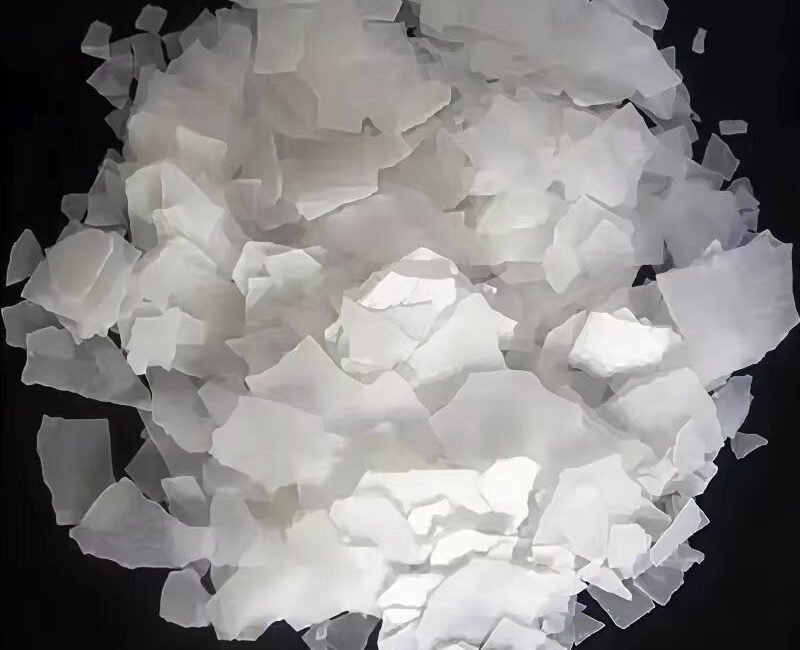
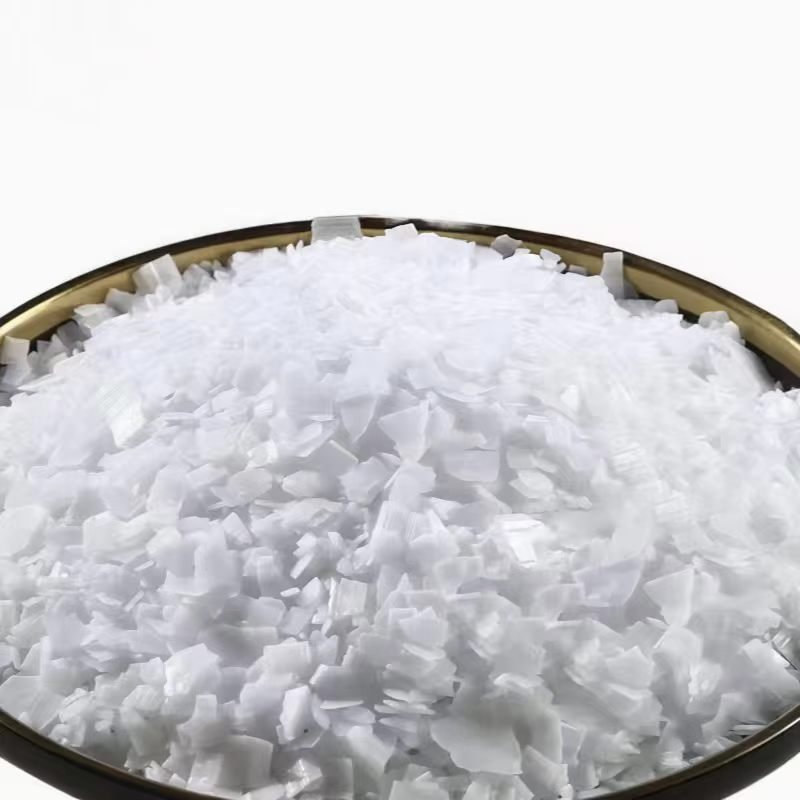
Sodium hydroxide flakes, also known as caustic soda flakes, are thin, irregular pieces of solid sodium hydroxide. They are generally produced by concentrating liquid caustic soda and forming it into thin flakes through a cooling and solidification process.
Caustic soda pearls, sometimes called sodium hydroxide beads or prills, are small, rounded solid particles. Their relatively uniform shape makes them convenient for applications that require consistent material handling and controlled feeding.
Both forms are solid sodium hydroxide and share the same basic chemical properties. They are strongly alkaline, corrosive, and highly soluble in water. Their main difference is their physical form rather than their chemical identity.
Physical Appearance and Handling Differences
The most noticeable difference between sodium hydroxide flakes and caustic soda pearls is their appearance.
Flakes are thin and irregular in shape. Their size and thickness may vary, depending on the manufacturing process. Pearls are generally smaller, rounded, and more uniform, which can make them easier to measure and feed into certain production systems.
These physical differences can influence how materials are stored, transported, and used:
- Flakes: Their irregular shape may be suitable for manual weighing and batch-based production.
- Pearls: Their more uniform size can support controlled dosing and automated material feeding.
- Packaging: Both products can be supplied in suitable industrial bags or bulk packaging, depending on supplier arrangements.
- Handling: Both require moisture protection and careful handling because sodium hydroxide is corrosive and absorbs moisture from the air.
The best form depends on the equipment, production scale, and handling methods used at the receiving facility.
Differences in Dissolution and Preparation
Both sodium hydroxide flakes and caustic soda pearls dissolve in water and release heat during the process. However, their physical shapes can affect how they are introduced into water and how easily they can be handled during solution preparation.
Flakes may have irregular surfaces and varying thicknesses, while pearls usually have a more consistent particle shape. Actual dissolution time depends on several factors, including particle size, water temperature, concentration, agitation, and the amount of material being added.
For industrial users preparing sodium hydroxide solutions, it is important to follow a controlled mixing procedure. Sodium hydroxide should be added slowly to water with suitable stirring and temperature control. Adding water directly to a large quantity of solid caustic soda can cause intense local heating and splashing.
Operators should wear appropriate chemical-resistant protective equipment and follow the supplier’s safety data sheet. The preparation area should also have suitable ventilation and access to emergency washing facilities.
Which Form Is Better for Different Industrial Applications?
There is no universal answer to whether sodium hydroxide flakes or caustic soda pearls are better. The choice depends on the production process and the way the material is used.
Soap and detergent manufacturing
Both forms can be used in soap and detergent production. The choice may depend on the factory’s weighing equipment, batch size, and solution preparation method. Manufacturers should select the form that fits their existing production procedures.
Textile processing
Sodium hydroxide is used in textile operations such as cotton mercerization and fabric treatment. Both flakes and pearls can serve as raw materials for preparing alkaline solutions, provided the product meets the process requirements.
Water treatment and chemical manufacturing
Industrial facilities may use solid sodium hydroxide to prepare solutions for pH adjustment and other chemical processes. Pearls can be convenient for controlled feeding systems, while flakes may suit facilities that handle solid chemicals in batches.
Pulp and paper production
Sodium hydroxide plays a role in several pulp and paper processing operations. The appropriate product form depends on the plant’s chemical preparation equipment, purchasing specifications, and material handling arrangements.
Storage, Packaging, and Transportation
Storage conditions are important for both sodium hydroxide flakes and pearls. Sodium hydroxide is hygroscopic, meaning it absorbs moisture from the surrounding air. It can also react with carbon dioxide, resulting in the formation of sodium carbonate on the product surface.
To help maintain product condition, both forms should be stored in tightly sealed, moisture-resistant packaging. Storage areas should be dry, well-organized, and protected from water exposure. Containers should be clearly labeled and kept away from incompatible materials.
Packaging options may include smaller industrial bags and larger bulk bags, depending on the manufacturer’s available packaging and the buyer’s requirements. Before ordering, buyers should confirm the net weight, packaging material, pallet arrangement, and transportation conditions.
Since sodium hydroxide is highly corrosive, appropriate precautions are necessary during loading, unloading, and storage. Personnel should follow applicable handling regulations and use suitable protective equipment.
How to Choose Between Sodium Hydroxide Flakes and Pearls
When comparing sodium hydroxide flakes vs. caustic soda pearls, buyers should consider more than appearance. The following factors can help guide the decision:
- Production equipment: Check whether the facility is designed for manual batch handling or automated feeding.
- Dissolution requirements: Consider the solution preparation process, mixing equipment, and required concentration.
- Packaging needs: Select packaging that matches storage capacity and purchasing volume.
- Handling procedures: Evaluate how workers will weigh, transfer, and introduce the material into production.
- Product specifications: Confirm the required grade and applicable technical parameters before ordering.
Aolansu supplies chemical products for industrial customers. Buyers considering sodium hydroxide flakes can contact Aolansu to discuss available product specifications, packaging options, and supply requirements. Comparing the product details with actual production needs helps ensure that the selected form is appropriate for the intended application.
Conclusion
Sodium hydroxide flakes and caustic soda pearls are two solid forms of the same chemical. Their main differences relate to physical appearance, particle uniformity, handling, and suitability for different feeding and production systems.
Flakes may be suitable for batch-based operations, while pearls can offer advantages where uniform particles and controlled feeding are preferred. Neither form is automatically better for every application. Industrial buyers should consider their production equipment, solution preparation procedures, storage conditions, and purchasing requirements before making a decision.
FAQ
1. Are sodium hydroxide flakes and caustic soda pearls the same chemical?
Yes. Both are solid forms of sodium hydroxide. Their main difference is physical shape rather than chemical composition.
2. Do caustic soda pearls dissolve faster than sodium hydroxide flakes?
Not necessarily. Dissolution time depends on particle size, water temperature, agitation, concentration, and mixing conditions. The physical form alone does not determine the dissolution rate.
3. How should sodium hydroxide flakes and pearls be stored?
Both should be kept in tightly sealed, moisture-resistant packaging in a dry storage area. They must be protected from water and handled with appropriate protective equipment because sodium hydroxide is highly corrosive.