
What Determines the Quality of Fuel Grade Methanol

Fuel grade methanol is an important chemical feedstock for fuel-related applications and certain industrial energy systems. However, not all methanol products have the same quality characteristics. Purity, moisture content, impurities, and consistency between production batches can all influence whether a product meets the requirements of its intended application. For buyers sourcing fuel grade methanol in bulk,
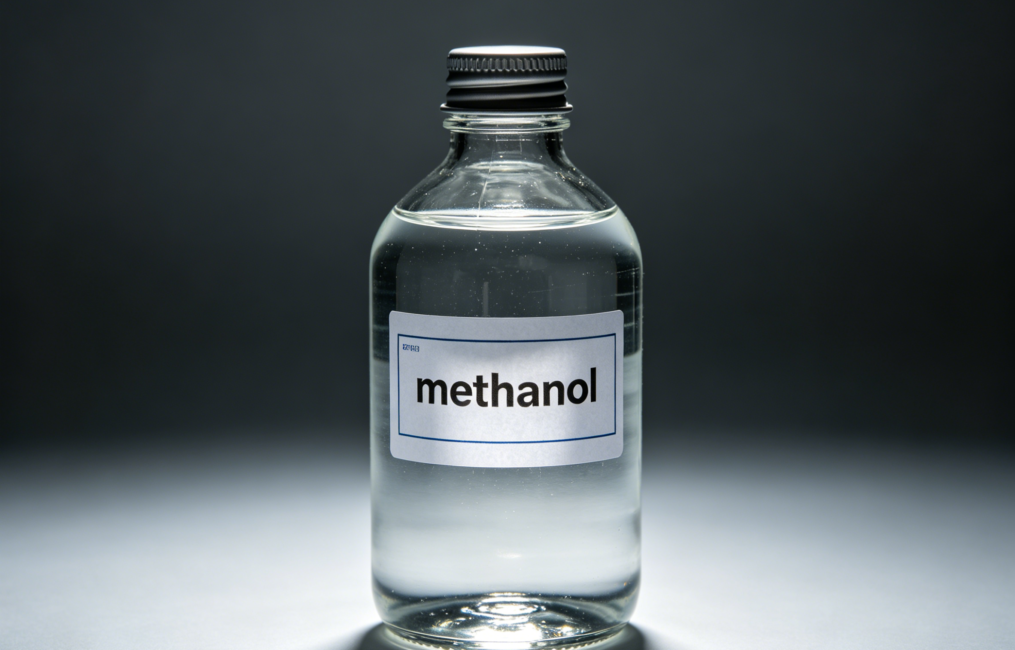
Fuel grade methanol is an important chemical feedstock for fuel-related applications and certain industrial energy systems. However, not all methanol products have the same quality characteristics. Purity, moisture content, impurities, and consistency between production batches can all influence whether a product meets the requirements of its intended application.
For buyers sourcing fuel grade methanol in bulk, understanding these factors helps reduce quality risks and improve supply management. Whether you are comparing fuel grade methanol manufacturers or evaluating a new supplier, checking the product specifications is an essential step before placing an order.
Methanol Purity and Product Composition
Purity is one of the first factors buyers should examine when evaluating fuel grade methanol. It indicates the proportion of methanol in the product and helps determine whether the material meets the requirements of a particular fuel application.
A higher methanol concentration generally means that fewer other substances are present, but purity alone does not provide a complete picture of product quality. Buyers should also understand which impurities may be present and whether their concentrations fall within the agreed specifications.
When comparing fuel grade methanol purity specifications, it is important to review the actual test results rather than relying only on a product description. The required purity level can vary depending on the intended use, equipment requirements, and applicable technical standards.
For industrial buyers, clearly defined specifications make it easier to compare products from different methanol suppliers and determine whether a material is suitable for their operations.
Water Content and Moisture Control
Water content is another important parameter in fuel grade methanol quality control. Methanol can mix with water, so moisture levels need to be evaluated according to the requirements of the intended application.
Excessive water may change the composition of the product and affect its suitability for a specific fuel system or downstream process. For this reason, buyers should check the moisture limit stated in the product specification and confirm that the supplied material meets that requirement.
When purchasing fuel grade methanol in bulk, it is useful to review water content alongside methanol purity. These two parameters provide different information and should not be treated as interchangeable measurements.
Reliable moisture control also depends on appropriate production, storage, and handling practices. Containers and storage systems should be suitable for methanol and protected against contamination. Buyers should establish clear acceptance criteria before delivery to avoid disagreements over product quality.
Impurities and Their Potential Effects
The presence of impurities can influence the suitability of fuel grade methanol for its intended use. Depending on the production process and handling conditions, the material may contain small amounts of other substances.
Potential quality indicators include the concentrations of relevant organic impurities and other components identified in the product specification. Which substances need to be tested depends on the application and the agreed quality requirements.
For example, a buyer using methanol in a specialized fuel system may need to consider different quality parameters from a buyer using it as an industrial chemical feedstock. Therefore, selecting a product based only on its name or general purity figure may not be sufficient.
When evaluating fuel grade methanol suppliers, ask for a specification sheet and a Certificate of Analysis where available. These documents help buyers review the measured properties of a particular batch and compare the results with the agreed limits.
Batch Consistency and Quality Testing
Consistent product quality is especially important for businesses that purchase fuel grade methanol regularly. Even if an initial delivery meets expectations, significant variations between batches can complicate production planning and incoming material inspection.
A structured quality control process should define the parameters to be tested, the applicable test methods, and the acceptance limits for each batch. Depending on the product specification, testing may cover methanol concentration, water content, and relevant impurities.
Buyers should also confirm that the test results correspond to the actual batch being supplied. A general technical data sheet describes typical or specified product characteristics, while a batch-specific COA provides test results for a particular shipment or production lot.
When sourcing bulk fuel grade methanol, it is worth discussing quality documentation, sampling procedures, and delivery requirements with the supplier before finalizing the purchase. Clear communication can reduce the risk of receiving material that does not match the agreed specification.
Storage, Packaging, and Transportation
Product quality can also be affected after production. Inappropriate storage, unsuitable containers, or poor handling practices may introduce contamination or create safety risks.
Methanol is toxic and highly flammable. It should be handled by trained personnel using suitable equipment and appropriate protective measures. Storage and transportation arrangements must comply with applicable safety regulations and the product’s safety data sheet.
Buyers should confirm that packaging or bulk transport systems are compatible with methanol and that containers are properly closed and managed. Storage areas should be designed for flammable liquids, with suitable ventilation and controls to prevent unauthorized access, ignition, and environmental release.
Good handling practices help preserve the product’s condition and support consistent quality from the production facility to the receiving site.
How to Choose a Reliable Fuel Grade Methanol Manufacturer
Choosing a suitable manufacturer involves more than comparing prices. Buyers should evaluate product specifications, quality documentation, supply capacity, communication, and the supplier’s ability to meet agreed delivery requirements.
Before placing an order, consider the following questions:
- Are the product specifications clearly stated?
- Can the supplier provide relevant quality test results or a batch-specific COA?
- Are purity, water content, and other required parameters defined in the purchasing agreement?
- Can the supplier explain its quality control and packaging procedures?
- Are delivery schedules, packaging options, and transport requirements clearly agreed upon?
Aolansu supplies chemical products for industrial customers and can be considered by buyers evaluating potential methanol suppliers. When discussing fuel grade methanol with Aolansu, buyers should confirm the available product specifications, quality documentation, packaging arrangements, and suitability for their intended application before ordering.
Clear technical communication helps both parties establish realistic quality expectations and reduces the likelihood of specification-related disputes.
Conclusion
The quality of fuel grade methanol depends on several factors, including methanol purity, water content, impurities, batch consistency, and proper handling. No single parameter can fully describe product quality, so buyers should assess the complete specification against the needs of their application.
For businesses sourcing fuel grade methanol in bulk, reviewing technical data, checking batch-specific test results, and establishing clear acceptance criteria are practical ways to manage purchasing risks. Working with a supplier that communicates product specifications and quality requirements clearly can also support more reliable procurement.
Before selecting a fuel grade methanol manufacturer, make sure the product meets your technical requirements and that its quality documentation is available for review.
FAQ
1. What is the most important quality factor for fuel grade methanol?
Methanol purity is a key factor, but it should be evaluated alongside water content, relevant impurities, and the requirements of the intended application.
2. How can buyers verify fuel grade methanol quality?
Buyers can review the product specification sheet and request a batch-specific Certificate of Analysis, where available. Test results should be compared with the agreed acceptance limits.
3. What should buyers check before purchasing fuel grade methanol in bulk?
Buyers should confirm product specifications, purity requirements, water content limits, quality documentation, packaging compatibility, delivery arrangements, and applicable safety requirements.