
How Does Xylene Isomer Purity Affect Industrial Applications

Xylene isomers are important aromatic hydrocarbons used in petrochemical processing, solvent production, and the manufacture of chemical intermediates. The three main isomers are ortho-xylene, meta-xylene, and para-xylene. Although they share the same molecular formula, their different molecular structures give them distinct industrial applications. For chemical manufacturers, xylene isomer purity is more than a product specification. It
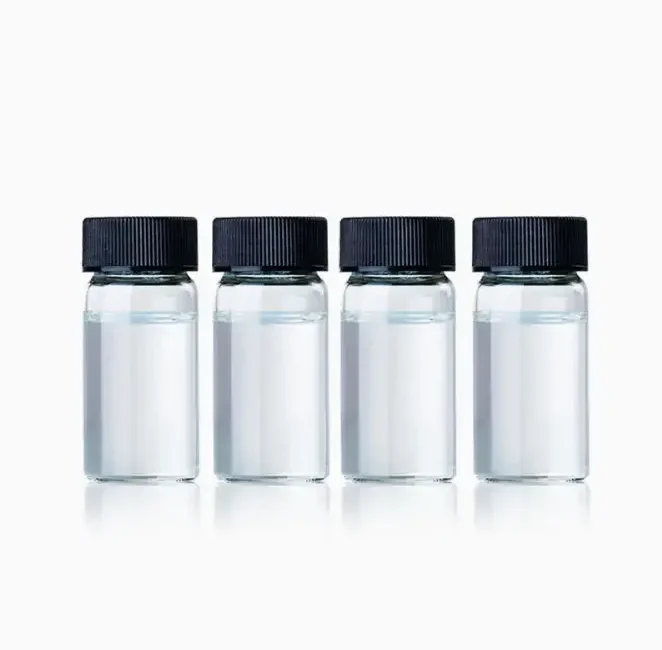
Xylene isomers are important aromatic hydrocarbons used in petrochemical processing, solvent production, and the manufacture of chemical intermediates. The three main isomers are ortho-xylene, meta-xylene, and para-xylene. Although they share the same molecular formula, their different molecular structures give them distinct industrial applications.
For chemical manufacturers, xylene isomer purity is more than a product specification. It can affect reaction performance, separation efficiency, production consistency, and the quality of downstream products. Understanding how xylene purity influences industrial applications helps buyers select the right material and maintain reliable production processes.
What Does Xylene Isomer Purity Mean?
Xylene isomers have the same chemical formula, C₈H₁₀, but differ in the positions of their two methyl groups on the benzene ring.
- Ortho-xylene (o-xylene): The two methyl groups are adjacent to each other.
- Meta-xylene (m-xylene): The methyl groups are separated by one carbon atom.
- Para-xylene (p-xylene): The methyl groups are positioned opposite each other.
Xylene isomer purity generally refers to the proportion of the specified isomer in a product. It should be distinguished from total xylene content and overall chemical purity. A product may contain a high proportion of total xylenes while still having a lower concentration of the particular isomer required for a specific process.
Other components, such as ethylbenzene, other aromatic hydrocarbons, and trace impurities, may also matter depending on the intended application.
Therefore, when purchasing industrial xylene isomers, buyers should check both the required isomer concentration and the limits for relevant impurities.
Why Purity Matters in Petrochemical Processing
In petrochemical manufacturing, raw material composition affects how efficiently a process operates. The required purity level depends on the product being manufactured and the technology used.
For example, para-xylene is a key raw material for producing purified terephthalic acid, which is widely used in polyester and polyethylene terephthalate production. If the feedstock does not meet the required specifications, additional separation or purification may be necessary before it can be used effectively.
Ortho-xylene is commonly used to manufacture phthalic anhydride, an intermediate used in several chemical applications. Its concentration and impurity profile can influence feedstock suitability and the performance of the production process.
These examples show why buyers should not treat all xylene products as interchangeable. Selecting the correct xylene isomer with an appropriate purity level helps align the raw material with the requirements of the downstream process.
How Impurities Affect Production Efficiency
Impurities can influence industrial performance in different ways, depending on their chemical properties and concentration.
First, unwanted components may require additional separation. When a process requires a highly concentrated xylene isomer, a feedstock containing substantial quantities of other isomers may increase the separation workload. This can affect energy consumption, equipment utilization, and operating costs.
Second, certain impurities may interfere with downstream reactions or catalyst performance. The extent of the effect depends on the catalyst, reaction conditions, and specific contaminant. Not every impurity creates the same risk, so manufacturers need to identify which components are important for their process.
Third, inconsistent feedstock composition can make production control more difficult. If the concentration of the target isomer changes between deliveries, operators may need to adjust process conditions or investigate variations in product quality.
For this reason, xylene purity specifications should be established according to actual production requirements rather than relying on a general description such as industrial-grade xylene.
Why Different Applications Require Different Purity Levels
There is no single purity level that is ideal for every xylene application. Requirements depend on whether the product is used as a chemical feedstock, a solvent, or a component in a blending process.
- Para-xylene for polyester production: Para-xylene is converted into PTA, which is then used to produce polyester fibers, films, and PET materials. Manufacturers need feedstock that meets their specified composition and impurity limits to support consistent downstream processing.
- Ortho-xylene for phthalic anhydride: Ortho-xylene serves as a feedstock for phthalic anhydride production. Its concentration and quality must be suitable for the plant’s oxidation process and product specifications.
- Mixed xylene for solvent applications: Mixed xylene contains a combination of xylene isomers and may also contain other components, depending on the grade. Its suitability for industrial solvent use depends on factors such as composition, solvency requirements, evaporation behavior, and applicable product standards.
These distinctions are important when selecting xylene isomers for chemical manufacturing. A specification suitable for one application may not be appropriate for another.
How to Evaluate Xylene Isomer Quality
Before purchasing xylene isomers, industrial buyers should review the product’s technical documentation rather than relying on purity claims alone.
Check isomer composition. Confirm the concentration of ortho-xylene, meta-xylene, or para-xylene required for the intended application.
Review impurity limits. Examine specifications for ethylbenzene, other aromatic compounds, and any process-specific contaminants.
Request a certificate of analysis. A certificate of analysis provides batch-specific test results and helps buyers verify whether the delivered material meets the agreed specifications.
Confirm test methods. Analytical methods, such as gas chromatography, can be used to determine isomer composition and identify relevant components. The applicable method should be appropriate for the product specification.
Evaluate batch consistency. Consistent composition across shipments is important for manufacturers that rely on stable feedstock characteristics.
These checks help buyers compare industrial xylene isomer suppliers on technical suitability, not just quoted price.
Choosing a Reliable Xylene Isomers Supplier
A reliable supplier should provide clear product specifications, relevant quality documentation, and accurate information about the material being offered. Buyers should also confirm available grades, order quantities, packaging or bulk delivery arrangements, and transportation requirements.
For businesses sourcing bulk xylene isomers, it is useful to share the intended application and required isomer concentration before requesting a quotation. This allows the supplier to assess whether the available product matches the buyer’s requirements.
Aolansu supplies chemical products for industrial customers. Buyers evaluating Aolansu as a potential source of xylene isomers should confirm the applicable product specifications, isomer composition, impurity limits, and supply arrangements before placing an order.
Clear specifications and consistent communication can reduce misunderstandings during procurement and help establish a dependable supply relationship.
Conclusion
Xylene isomer purity affects industrial applications by influencing feedstock suitability, separation requirements, reaction performance, and downstream product consistency. Para-xylene, meta-xylene, and ortho-xylene have different uses, so purity requirements should be matched to the intended manufacturing process.
For industrial buyers, the most effective approach is to evaluate isomer composition, impurity limits, analytical documentation, and batch consistency together. Working with a supplier that can clearly document product specifications helps manufacturers make informed purchasing decisions and maintain more reliable production.
FAQs
1. What is the difference between xylene isomer purity and total xylene content?
Xylene isomer purity refers to the proportion of a specific isomer, such as para-xylene, in a product. Total xylene content refers to the combined amount of xylene isomers. The distinction is important when a manufacturing process requires one particular isomer.
2. Does higher xylene purity always mean better performance?
Not necessarily. The appropriate purity depends on the application and its technical requirements. A highly purified isomer may be essential for a specific chemical process, while a mixed-xylene solvent application may require a different composition rather than the highest possible concentration of one isomer.
3. What documents should buyers request when purchasing industrial xylene isomers?
Buyers should request a technical data sheet, a batch-specific certificate of analysis, relevant safety data sheets, and information on applicable impurity limits. These documents help confirm product suitability and support quality control.