



Description
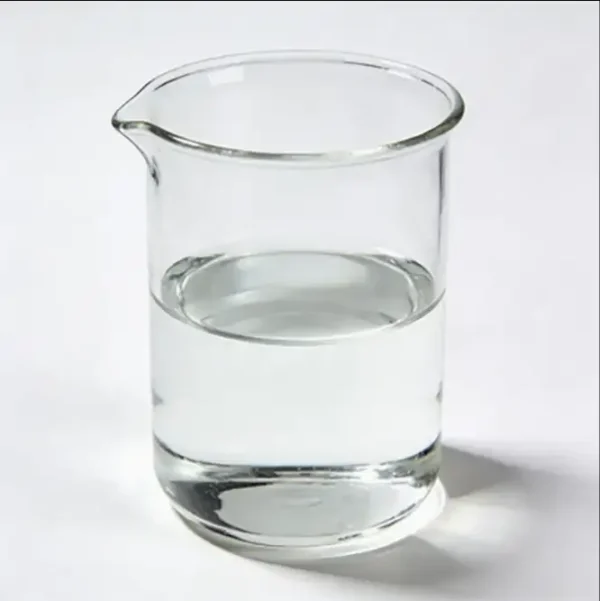
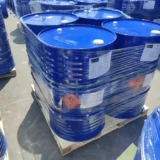
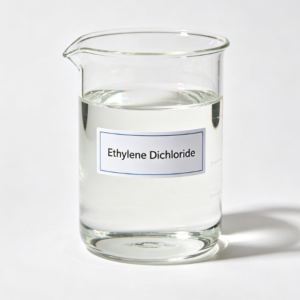
High Purity 1,2-Dichloroethane, also known as high-purity ethylene dichloride, is a colorless, transparent, volatile liquid with a slight sweet odor similar to chloroform. Its molecular formula is C₂H₄Cl₂, molecular weight 98.96, with stable chemical properties, strong solubility, and no obvious corrosion to ordinary metals. Different from ordinary industrial-grade products, our high-purity products adopt strict raw material screening (selecting high-purity ethylene and chlorine with impurity content ≤0.001%) and advanced ethylene direct chlorination process, combined with three-stage rectification purification and precision filtration technology, effectively removing trace heavy metals, free chlorine, moisture and other impurities, ensuring that the product purity is stable above 99.8% and the moisture content is ≤0.005%. It is non-toxic and harmless under normal use conditions (in line with international safety standards), and is widely used in high-end industrial fields that have strict requirements on product purity and impurity content.
Core Application Areas
Due to its high purity and stable performance, High Purity 1,2-Dichloroethane has a more refined and professional application field compared with ordinary industrial-grade products, mainly covering the following four core areas:
First, precision chemical synthesis, as a key intermediate, it is used in the synthesis of high-purity ethylene glycol, ethylenediamine, high-grade pesticide intermediates and other products, with high reaction activity, no side reactions, and effectively improving the yield and purity of synthetic products;
Second, pharmaceutical intermediates, used in the synthesis of antibiotics, vitamins and other pharmaceutical raw materials, in line with the GMP standard requirements of the pharmaceutical industry, ensuring the safety and purity of pharmaceutical products;
Third, electronic materials, as a high-purity solvent, it is used in the cleaning of electronic components, the preparation of electronic grade adhesives, etc., without leaving any residue, avoiding the impact of impurities on the performance of electronic products;
Fourth, other high-end fields, such as the preparation of high-purity organic reagents, the extraction of precious materials, etc., which can fully meet the strict requirements of various high-end scenarios.
Product Parameters
|
Parameter Name |
Specification |
|
Product Name |
High Purity 1,2-Dichloroethane |
|
CAS No. |
107-06-2 |
|
Molecular Formula |
C₂H₄Cl₂ |
|
Purity |
99.8%~99.9% (GC detection) |
|
Appearance |
Colorless transparent liquid, no visible impurities, APHA ≤50 |
|
Boiling Point |
83.4~83.6℃ (actual fluctuation ±0.1℃) |
|
Melting Point |
-35.7℃ |
|
Density (20℃) |
1.253~1.255g/cm³ (±0.001g/cm³) |
|
Flash Point |
13℃ (closed cup) |
|
Moisture |
≤0.005% (Karl Fischer method) |
|
Impurity Content |
Heavy metals ≤0.000002%, free chlorine ≤0.00003% |
|
Storage Period |
12 months (under 2~30℃ cool and ventilated conditions) |
FAQ
Q1: What is the difference between High Purity 1,2-Dichloroethane and ordinary industrial-grade 1,2-Dichloroethane?
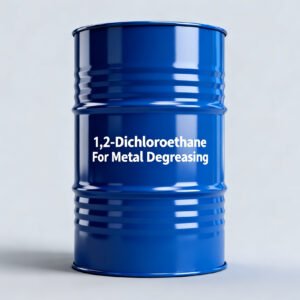
A1: The core difference lies in purity and impurity content. The purity of ordinary industrial-grade products is generally 99.5%, the moisture content is ≤0.05%, and the impurity control is relatively loose, which is suitable for general industrial scenarios (such as metal degreasing, ordinary solvent); our High Purity 1,2-Dichloroethane has a purity of 99.8%~99.9%, moisture content ≤0.005%, and strictly controls trace heavy metals, free chlorine and other impurities, which is suitable for high-end fields such as pharmaceutical intermediates and electronic materials that have strict requirements on product quality. In addition, the production process of high-purity products is more refined, and the product performance is more stable.
Q2: Is High Purity 1,2-Dichloroethane a dangerous good? What are the precautions for transportation?
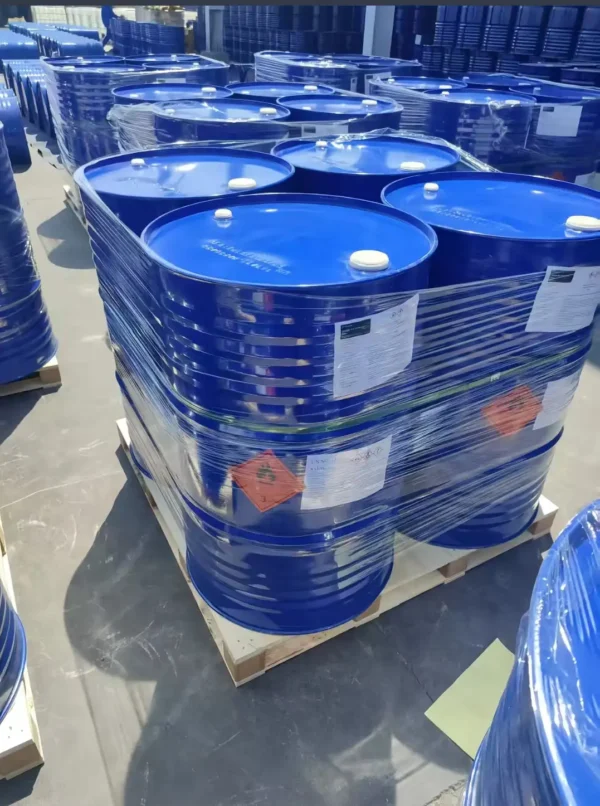
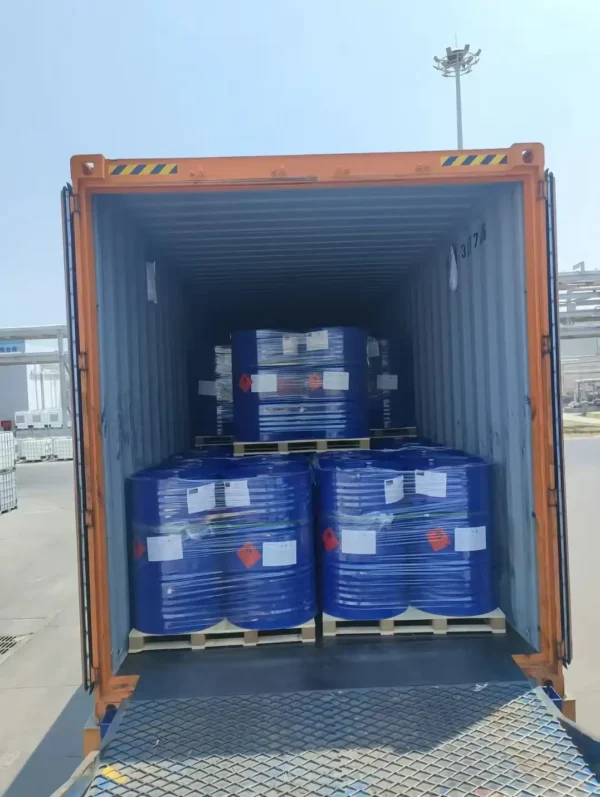
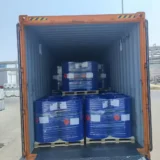
A2: Yes, it belongs to Class 3.2 flammable liquid and Class 6.1 toxic substance, and is included in the list of dangerous goods (catalogue No. 557). For transportation, it must be entrusted to a logistics company with dangerous goods transportation qualification, and the transport vehicle must be equipped with anti-static devices, fire-fighting equipment and leakage treatment equipment, and must not be mixed with other dangerous goods (such as strong oxidants, alkalis). The transportation process must comply with the relevant regulations of the country and the destination, and the corresponding dangerous goods labels must be pasted.
Reviews
There are no reviews yet.